
Loft conversions are a popular way to add valuable living space to a home without extending its footprint. Whether you’re creating an additional bedroom, a home office, or a playroom, converting a loft can increase both your living space and your property’s value. However, many homeowners wonder, “How long does it take for a loft conversion?” The answer depends on the type of conversion, the complexity of the project, and your specific home structure.
Join us as we explore the different types of loft conversions, the time each typically takes, and the pros and cons of each type to help you make an informed decision.
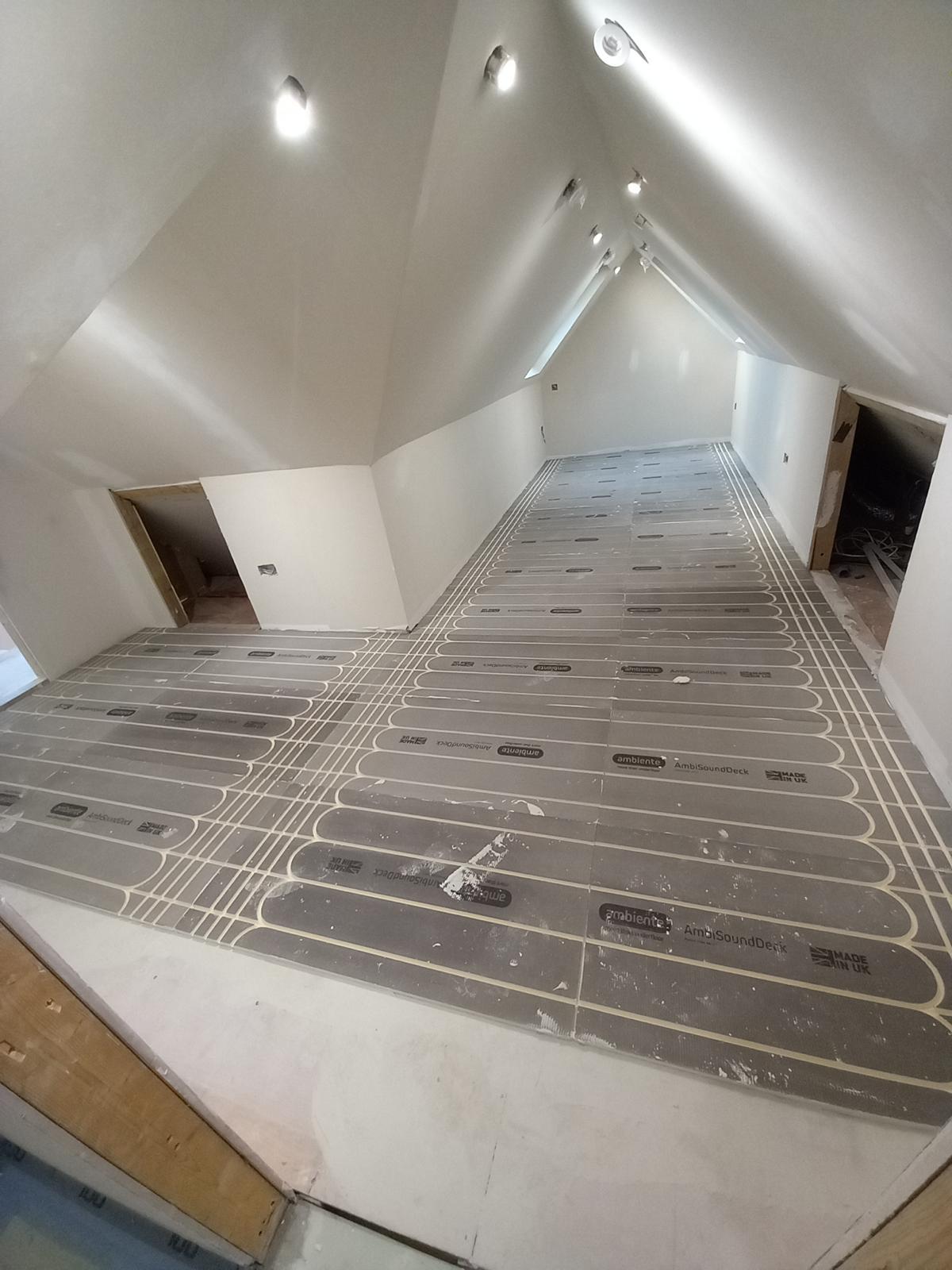
Types of Loft Conversions
There are four primary types of loft conversions, each type offers different levels of space and design possibilities. The time required varies, and each has unique benefits and potential downsides:
Velux Loft Conversion
- Overview
A roof light or Velux loft conversion is the simplest and least invasive form of loft conversion. Instead of making structural alterations to the roof, this type involves adding Velux windows (or similar) to the existing roof slope. Since the roof’s structure remains largely untouched, it’s a more affordable and quicker option.
- Time Required
A roof light conversion generally takes 2 to 4 weeks to complete, depending on the number of windows installed and the specific adjustments to the loft.
- Advantages
– Cost-Effective: This is one of the cheapest loft conversion types, as it doesn’t require major structural changes.
– Quicker Construction: The minimal structural adjustments mean faster construction time.
– Natural Light: Velux windows maximise natural light, creating a bright and welcoming space.
– Minimal Planning Permission: In many cases, roof light conversions fall under permitted development, avoiding the need for planning permission.
- Diadvantages
– Limited Space: Since no structural extensions are made, there’s no additional floor space gained.
– Headroom Restrictions: Homes with limited headroom may not be suitable for this type of conversion.
– Basic Design: This style doesn’t allow for extensive design features, such as additional en-suite bathrooms.
- Best For
Roof light conversions are ideal for homeowners on a tight budget who want a straightforward, quick loft conversion and have a sufficient roof height.
Dormer Loft Conversion
- Overview
A dormer loft conversion is a popular choice, especially in terraced or semi-detached homes. This type involves extending the existing roof to create a box-like structure that adds headroom and floor space. Dormer conversions can either be single (rear dormer) or extend across the roof (full-width dormer), depending on the homeowner’s requirements.
- Time Required
A dormer loft conversion typically takes 4 to 6 weeks to complete. More complex or full-width dormers may take longer, up to 8 weeks.
- Advantages
– More Space: Dormer conversions add usable floor space, making them great for creating larger rooms or additional bathrooms.
– Enhanced Headroom: This style is suitable for roofs with lower pitch, providing ample headroom.
– Versatile Design: Dormers can be adapted to suit a variety of interior layouts and design preferences.
– Permitted Development: In many cases, single dormers may not require planning permission, simplifying the approval process.
- Diadvantages
– More Expensive than Roof Light: The cost is higher due to structural work involved.
– Exterior Appearance: Dormers alter the appearance of the roofline, which may not be suitable for homes in conservation areas.
– Increased Construction Time: More complex dormers require longer construction time compared to roof light conversions.
- Best For
Dormer conversions are ideal for families who want extra living space and headroom, particularly for additional bedrooms or bathrooms. They’re especially popular for homes with low-pitched roofs.
Hip-to-Gable Loft Conversion
- Overview
A hip-to-gable loft conversion is commonly used for properties with a hipped roof (sloping on all four sides), typically found in semi-detached or detached houses. This type involves converting the hip roof into a vertical gable wall, effectively adding space and altering the roofline to create more headroom and usable area within the loft.
- Time Required
Hip-to-gable conversions usually take 6 to 8 weeks to complete, depending on the complexity of the existing roof structure and additional features, like en-suites or bespoke windows.
- Advantages
– Increased Floor Area: Converting the hip into a gable wall significantly increases the floor area.
– Enhanced Headroom: Like dormers, this type increases headroom, making the loft space more versatile.
– Great for Semi-Detached Homes: Ideal for semi-detached houses that have limited space due to hipped roofs.
– Option for Multiple Rooms: The increased space can be divided into multiple rooms or an en-suite.
- Diadvantages
– Higher Cost: More structural work is needed, making it more expensive than roof light or basic dormer conversions.
– Planning Permission Often Required: Since it changes the shape of the roof, planning permission is often required.
– Exterior Changes: The altered roofline may not be suitable for properties in heritage or conservation areas.
- Best For
This type is well-suited to semi-detached or detached homes that need extra space and headroom, especially for creating a more complex loft layout with multiple rooms.
Mansard Loft Conversion
- Overview
A Mansard loft conversion is the most extensive type, involving a complete reconstruction of one side of the roof to create a steep, almost vertical wall. This style offers the maximum increase in space, allowing for large loft rooms, and is commonly used in urban areas with row houses or period properties.
- Time Required
Due to the extensive construction work required, Mansard loft conversions take 8 to 12 weeks on average to complete, depending on the scale of the project.
- Advantages
– Maximum Space: Mansard conversions add the most usable space, creating almost a full additional floor.
– High Ceilings: The nearly vertical walls allow for high ceilings, creating a spacious feel.
– Increased Property Value: Due to the substantial additional space, Mansard conversions can significantly boost property value.
– Flexible Design: Suitable for multiple rooms, including bedrooms, bathrooms, or office spaces.
- Diadvantages
– Most Expensive Option: The extensive structural changes make this the priciest loft conversion option.
– Longer Construction Time: The longer time frame can be disruptive for households.
– Planning Permission Required: Almost always requires planning permission due to the dramatic alteration in roof structure.
– Exterior Changes: Not suitable for all property types or areas, especially in conservation zones.
- Best For
Mansard conversions are perfect for homeowners looking to maximise their living space and willing to invest in a significant transformation. They’re popular for period homes in urban areas where space is at a premium.
| Conversion Type | Typical Time Frame | Complexity | Suitable For |
|---|---|---|---|
| Roof Light (Velux) | 4 – 6 weeks | Low | Budget friendly, minimal disruption |
| Dormer | 4 – 6 weeks | Medium | Additional space with minimal planning |
| Hip-to-Gable | 6 – 8 weeks | Medium-High | Semi-detached homes, moderate budget |
| Mansard | 8 – 12 weeks | High | Maximum space, high budget transformation |
Factors That Influence Loft Conversion Timelines
While the type of loft conversion is the main factor affecting timeline, other factors can influence the time it takes to complete the project:
- Property Age and Condition:
Older properties may require additional work, such as structural reinforcements.
- Planning Permission and Approvals
Delays in obtaining necessary permits can extend the timeline.
- Weather Conditions
Inclement weather can disrupt construction, especially if extensive external work is involved.
- Customisations
High-end features or custom designs can add to the time needed for completion.
Conclusion:
The time it takes to complete a loft conversion varies significantly based on the type of conversion, property requirements, and additional features. Here’s a quick recap:
– Roof Light (Velux) Conversion: 2-4 weeks, quick, cost-effective, and minimal disruption.
– Dormer Conversion: 4-6 weeks, moderate space increase, and versatile layout options.
– Hip-to-Gable Conversion: 6-8 weeks, more structural work, ideal for semi-detached homes.
– Mansard Conversion: 8-12 weeks, maximises space, best for homeowners looking for a substantial transformation.
Ultimately, selecting the right loft conversion depends on your budget, space needs, and time constraints. Understanding the advantages and challenges of each type can help ensure your project is a success.
Ready to transform your loft into a beautiful, functional space? House Renovation London specialises in high quality loft conversions tailored to your needs. Whether you’re looking to add an extra bedroom, a cosy home office, or a spacious new living area, our team of experts is here to guide you every step of the way—from planning and design to construction and finishing touches.
Contact House Renovation London today for a free consultation and let’s bring your loft conversion dreams to life!